
MALANG, 27 October 2026 — How can an English assignment give students a reason to use the language beyond earning a grade? That question framed a guest lecture held on Monday by the Department of English, Faculty of Letters, Universitas Negeri Malang (UM). The session focused on how teachers can design projects that give students a clear purpose for communicating in English and an audience for their work. 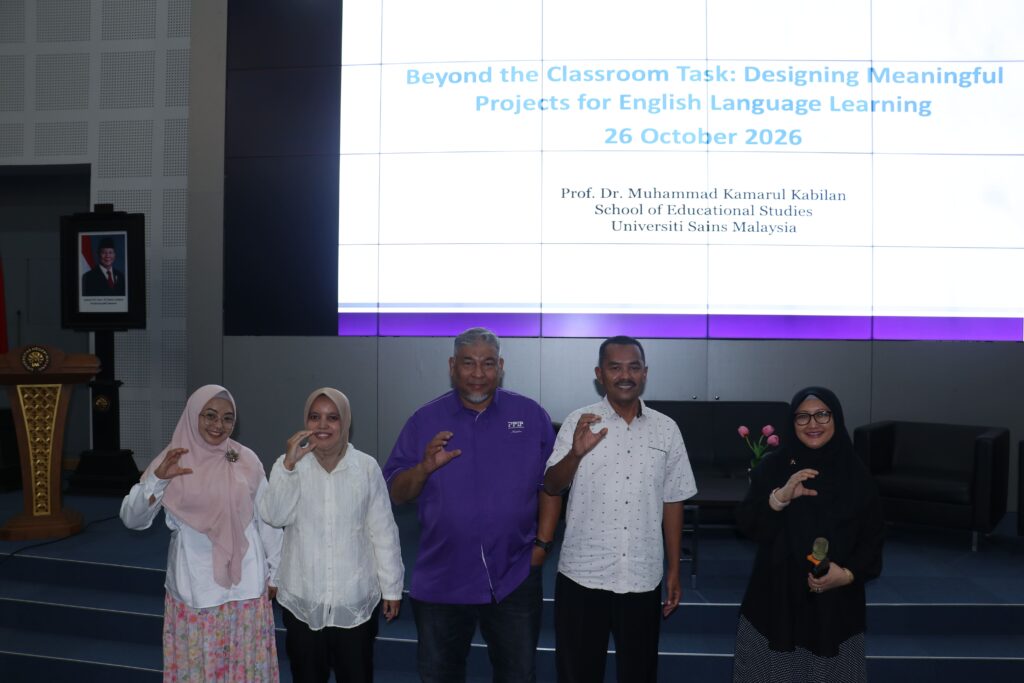

Professor Muhammad Kamarul Kabilan, an adjunct professor in UM’s Department of English and a professor at Universiti Sains Malaysia, delivered the lecture. Titled “Beyond the Classroom Task: Designing Meaningful Projects for English Language Learning,” the three-hour session began at 9 a.m. at Aula GKB A20, on the ninth floor. The department invited faculty members and undergraduate students to attend.
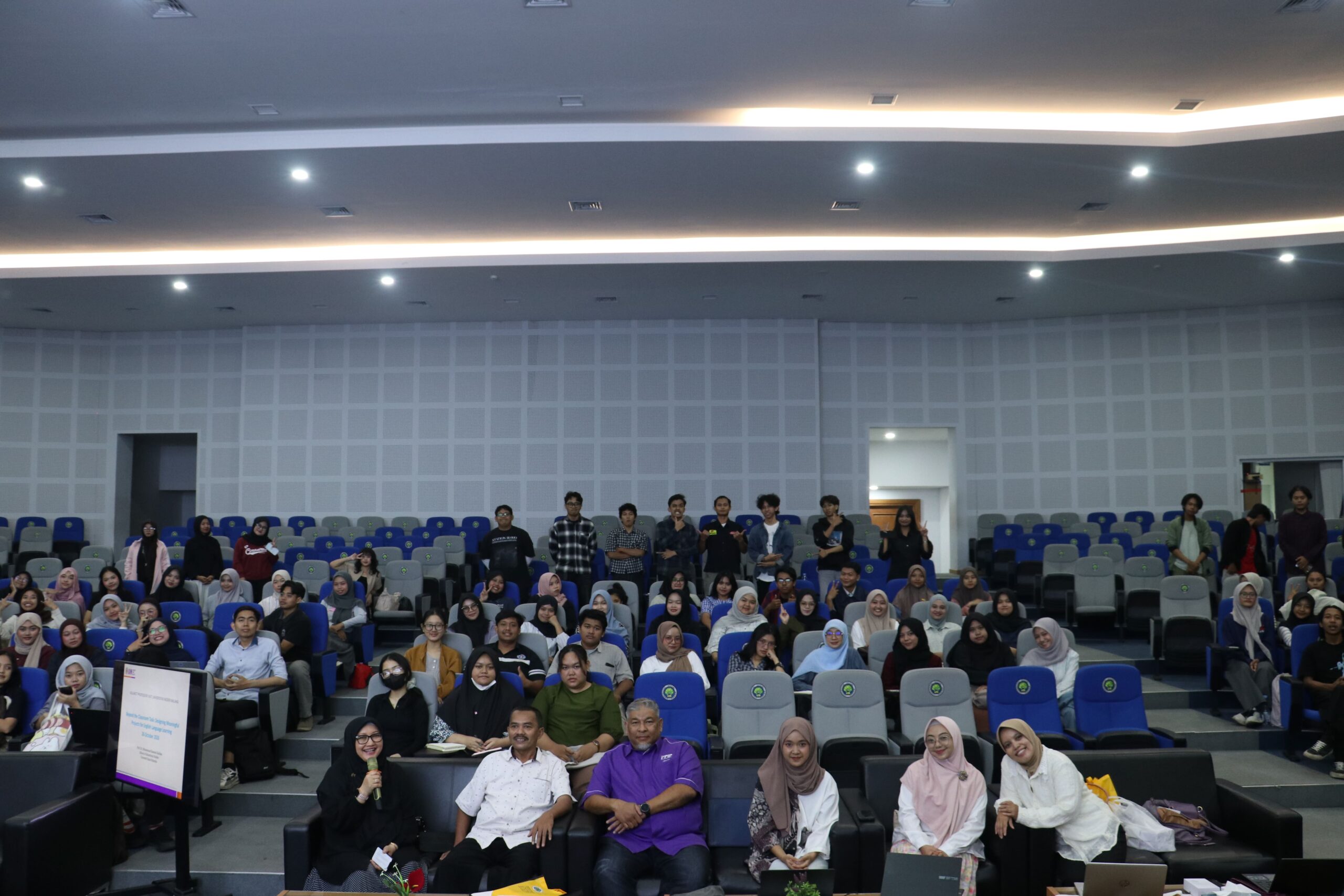
At the centre of the lecture’s theme was a question of project design. Who will use what students make, and what will they need from it? A defined audience gives students something concrete to consider as they choose what information to include, explain unfamiliar terms or revise a set of instructions. For teachers, those choices offer opportunities to give feedback on how well students communicate while the work is still in progress.
An English-language campus guide for visiting students offers one example. To develop it, a group could identify questions newcomers are likely to ask, check information with campus offices and draft directions to key buildings. A trial with a reader unfamiliar with the campus could reveal where a direction is too vague or where the guide assumes knowledge a newcomer would have no reason to possess. Students would then have a practical reason to revise their English. Someone needs to be able to follow what they wrote.
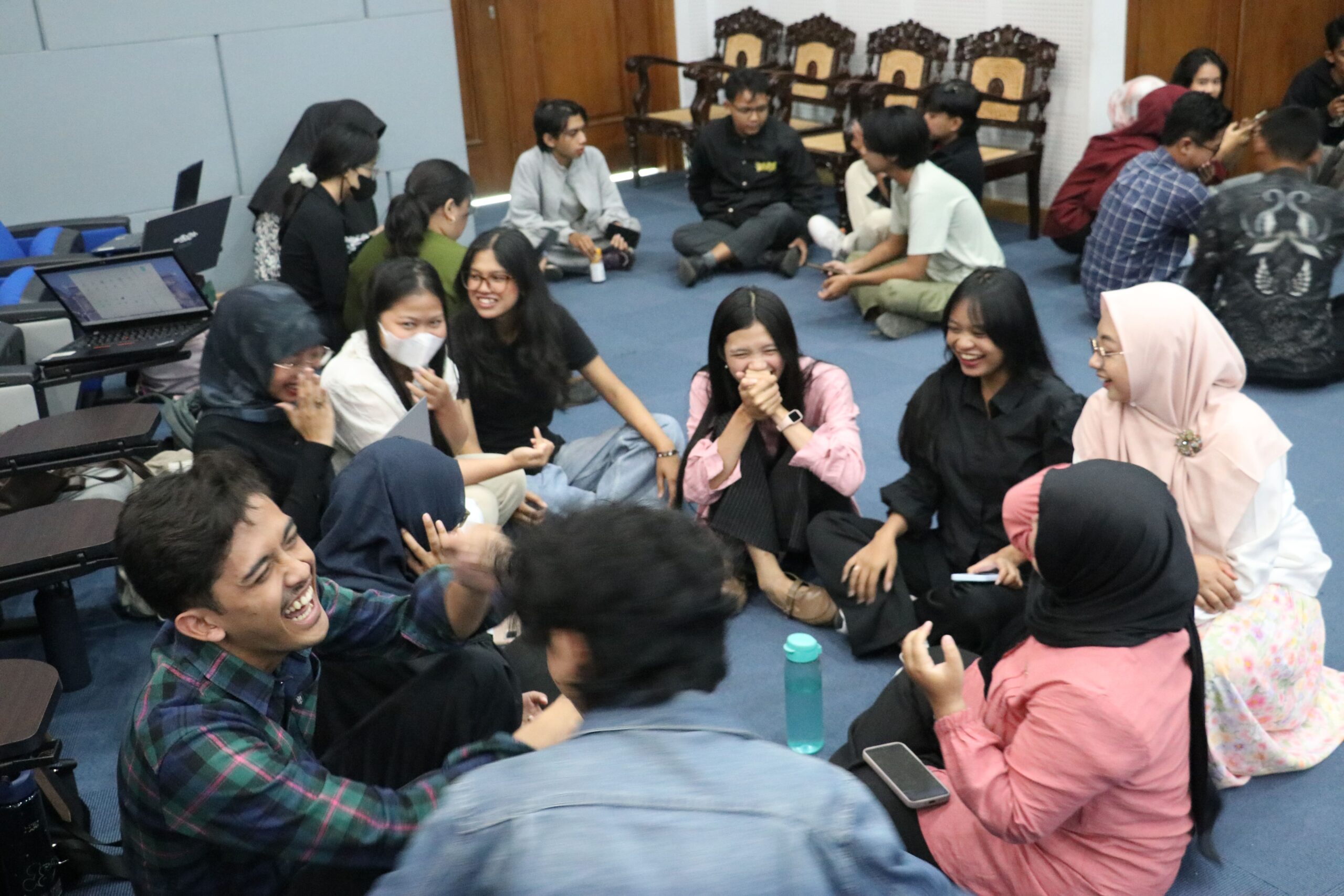

For undergraduates preparing to teach, the same principle can be applied on a smaller scale during a school placement. A class could produce short audio directions for new students and ask classmates to follow them using a school map. The teacher could provide model expressions, give groups time to rehearse and use the trial to identify where learners need help with pronunciation or sequencing. A project of this size can fit within a few lessons while giving students several opportunities to speak and revise.
For lecturers, project design also affects what they can assess. A polished group product provides a record of what the students made. A draft, a rehearsal or a short explanation of a revision can show how an individual student used English and responded to feedback. Building one or two of those checkpoints into an assignment can help lecturers see where students need support before the work is submitted.
The lecture’s focus relates to Sustainable Development Goal 4 (Quality Education) through its emphasis on giving learners structured opportunities to develop and apply communication skills. The event also connects with SDG 17 (Partnerships for the Goals) through academic exchange. By hosting a scholar affiliated with both Universitas Negeri Malang and Universiti Sains Malaysia, the department provided a forum for sharing approaches to a challenge English educators face in both settings: designing projects that give students a purpose and an audience for the language they use.